Sunday, April 24, 2016
Grafting like a pro | EDM

Monday, April 11, 2016
How to turn milk into stone
In this video he mixes warm milk and white vinegar to make a custard like substance called casein. He then explains that it makes up most of the protein found in milk. He will strain the casein and let dry out. After that it has become a plastic almost as hard as stone. This plastic was used a long time make pens and other plastic objects. www.youtube.com
Did you know that you can make diamonds out of peanut butter ?
In this video I talk about how peanut butter can be made into diamonds. Because of the carbon the peanut butter contains it is able to make diamonds. Anything with carbon can make them including you. In order to make the diamonds you need 50 kilo-bars of pressure which is equivalent to fifty elephants on top of one square unit of peanut butter. You also need heat about 2,000 degrees Fahrenheit. So it seems that an average person can't make their own diamonds out of their peanut butter.
Largest Black Hole

Largest Black Hole
Quasar OJ287 is the largest known black hole in our universe.
It is estimated to be atleast 18 billion times larger than the mass
of our sun. The black hole is so massive that it could possibly
suck in our entire galaxy. The event horizon is 11x times the
diameter of neptune orbiting our sun. Researchers at the University
of Texas were able to discover this incredible black hole by using the
hubble telescope
Sunday, April 10, 2016
Universe Expansion
Universe Expansion
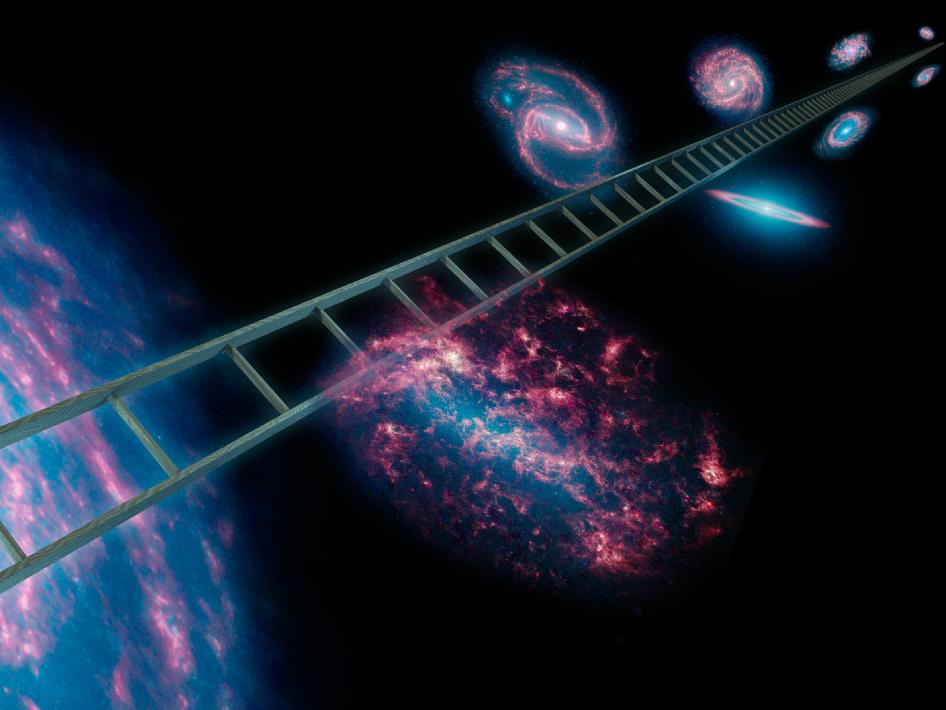
Our universe is constantly expanding at a very high rate.
The rate is approximately 46.2 kilometers per megaparsec.
A megaparsec is 3 light years. In the 1920's, an astronomer
by the name of Edwin P. Hubble found out that our universe
is not static, but is expanding at a certain rate. Later in the 1990's,
Hubble Telescope discovered that the rate at which our universe
is expanding by is speeding up! Scientists still aren't exactly sure on
why or how our universe is expanding, but efforts from groups like
NASA continue to research and find out why.
Picture Source
Friday, April 8, 2016
Artificial Skin That can Give People with Prothestics a Sense of Touch
Artificial skin made in a lab can "feel" similar to the way a fingertip senses pressure and could one day let people feel sensation in their prosthesis limbs. Researchers were able to send the touching sensation as an electric pulse to the relative "touch" brain cells in mice.
The stretchy, flexible skin is made of a man made rubber that has been manufactured to micron-scale pyramid like structures that make it extra sensitive to pressure. The researchers sprinkled this pressure sensitive rubber with microscopic cylinders of carbon that conduct electricity very well so that when the material is touched, a series of electric pulses is given off by the sensor. This series of pulses is then sent to the brain cells in a way that mirrors how touch receptors in human skin send sensation to the brain.
To test if the skin could make electric pulses that the brain could respond to, the researchers connected the synthetic skin to a blue LED light. When the skin was touched, it sent electric signals to the LED light, which pulsed in response. The sensors translated that pressure pulse into electric pulses. When the sensors in the skin sent the electric pulses to the LED- very similar to the way touch receptors in real human skin send touch sensation signals to the brain- a blue light flashed.
The researchers added a special protein that cause brain cells to react to blue light and added them to the mice brain cells. The protein let the LED act like a receptor cells in the skin. When the light flashed it sent a signal to the brain that the artificial skin had been touched. This experiment showed that, when the artificial skin was touched, the brain would respond in the same way as brains react to real skin being touched.
The next step would be to the skin in other animals and the eventual goal is to be able to stimulate the human brain and have the skin available for people.
The stretchy, flexible skin is made of a man made rubber that has been manufactured to micron-scale pyramid like structures that make it extra sensitive to pressure. The researchers sprinkled this pressure sensitive rubber with microscopic cylinders of carbon that conduct electricity very well so that when the material is touched, a series of electric pulses is given off by the sensor. This series of pulses is then sent to the brain cells in a way that mirrors how touch receptors in human skin send sensation to the brain.
To test if the skin could make electric pulses that the brain could respond to, the researchers connected the synthetic skin to a blue LED light. When the skin was touched, it sent electric signals to the LED light, which pulsed in response. The sensors translated that pressure pulse into electric pulses. When the sensors in the skin sent the electric pulses to the LED- very similar to the way touch receptors in real human skin send touch sensation signals to the brain- a blue light flashed.
The researchers added a special protein that cause brain cells to react to blue light and added them to the mice brain cells. The protein let the LED act like a receptor cells in the skin. When the light flashed it sent a signal to the brain that the artificial skin had been touched. This experiment showed that, when the artificial skin was touched, the brain would respond in the same way as brains react to real skin being touched.
The next step would be to the skin in other animals and the eventual goal is to be able to stimulate the human brain and have the skin available for people.
Aerogel: The World's Least Dense Solid
Aerogels are any material of a group of very light or porous solids. The lightest aerogel is less than four times as dense than dry air. They are made by certain gels being heated under pressure, causing the liquid in the gel to lose surface tension and become supercritical, or in a state between a liquid and gas. In this state, the liquid can be removed from the gel by adding additional heat, without messing up the porous structure made by the gel's solid component.
Silica-, melamine-, and carbon- based aerogels have been manufactured in the past. The lightest are silica-based aerogels and some have been appropriately nicknamed 'solid smoke' or 'frozen smoke'. These lightweight aerogels are almost transparent. Heavier aerogels were first produced in 1931 and have since been used to detect fast moving particles given off by particle accelerators
Newer, lighter aerogels with fairly high insulating properties are being tested to replace more dangerous foams as insulation in refrigerators and as substitutes for the air between double pane windows.
Silica-, melamine-, and carbon- based aerogels have been manufactured in the past. The lightest are silica-based aerogels and some have been appropriately nicknamed 'solid smoke' or 'frozen smoke'. These lightweight aerogels are almost transparent. Heavier aerogels were first produced in 1931 and have since been used to detect fast moving particles given off by particle accelerators
Newer, lighter aerogels with fairly high insulating properties are being tested to replace more dangerous foams as insulation in refrigerators and as substitutes for the air between double pane windows.
Are bananas good for you ?
Thursday, April 7, 2016
The Honey Badger
Is You'r Sense of Taste Connected to You'r Sense of Smell?
If you want to learn some more click this link
Why are Lemons Sour?
Why Do Cats Love Boxes?
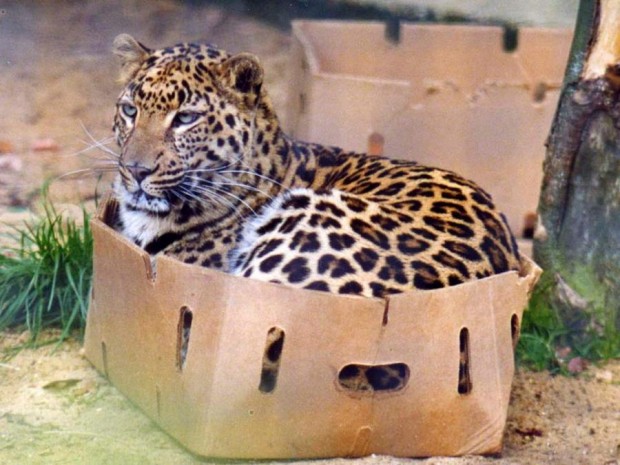
Have you ever seen a cat in a box or a photo of one and wondered why they like boxes so much? Well.. possibly not. But a few people have, and I am one of those few. The answer is rather simple: when a cat is in a box that is bigger and taller than it, it can stalk prey without being suspected, and it can hide from predators. For a cat, being in a box can relieve stress, especially when they've just moved somewhere new. Why would being in a box relieve a cat's stress? Well, say that a cat has just been brought to an animal shelter. It will most likely be very anxious and agitated. If there are other cats in the same area as it, then it will probably want to be alone. If there is a box, then it can climb into the box, curl up, and be able to get a hold of itself without having to worry about predators or territory until it has calmed.

Sunday, March 27, 2016
Why do people like memes?

Memes are part of the fantastical place called the internet whether its to grab attention to roasting others, memes have been part in our lifestyle for a while now. Why in the world do people like memes? Some scientists researched it and came up conclusions and the best one they came up with so far is people get bored but we illegal meme users really know what its about. Its about our genetics telling us to socialize and have fun with people we don't know on the internet. Here are some memes to make your day fantastic and wonderful. photo cred

Why are cats scared of Cucumbers?
Cats are curious creatures that like to explore, but why are they scared of cucumbers? Scientists have been wondering also so they came up with the idea that they are scared of anything that they don't understand like a vacuum cleaner. They also think it has to do with them being solitary animals which will probably freak you out if you turned after eating raw meat like a savage in the willderness and saw a giant cucumber wantimg to eat you.
Friday, March 4, 2016
buoyancy levels
And after I tested the vinegar I tested the Karo syrup and had the highest buoyancy
level it was about 2 inches high from the bottom of the battle. I put them in 1st 2nd and 3rd place Karo syrup in 1st, Honey in 2nd, and Vinegar in 3rd. please enjoy the
motion picture I've put together for you.
Wednesday, March 2, 2016
Why do we cry? Three different types of tears
The video here explains why we cry, when we're crying, and what causes us to cry all three different types of tears. Basal tears are the first cry you are always crying basal tears they are not noticeable and they keep your eyes moist. Reflex tears are your second tear and you only cry reflex tears when you cut an onion open because of the chemicals it gives off one for example is
amino acid sulfoxide. Your third tear is emotional tears you only cry emotional tears when you experience something sad like the loss of a family member.
http://ed.ted.com/lessons/why-do-we-cry-the-three-types-of-tears-alex-gendler
Monday, February 29, 2016
BAROMETERS - HOW THEY WORK!

The pressure from gravity is exerted on the mercury.
This pressure thus causes the mercury to rise to a certain
height in the measuring tube. This essentially is a vacuum,
due to how its pressure works. The tube is able to suck up
the mercury in a sense that it causes there to be a space with
no matter, due to the fact that there is no air within the upper
part of the measuring tube.
Buoyancy-How does it work?

The term buoyancy was first discovered by an ancient
Greek philosopher Archimedes. An object that is submerged
in water displaces water according to how much it weighs.
Archimedes discovered that the water will push against the
object with a force equal to the weight of the water that is displaced.
The amount of water that is moved depends on the density of the
object. A bowling ball and a beach ball have the same volume, but the
bowling ball weighs more, The bowling ball is able to move enough
water to be equal with it's own weight, so it floats.
Toxineering
If you've ever been stung by a wasp or bitten by a fire ant you know that venoms can be extremely painful. Some of them can be so toxic that they're fatal. In fact, venomous snakes alone can kill up to 100,000 people each year. But while venom can cause intense pain, a team of researchers have found a new way to use venom's untapped potential to do the exact opposite.
Biologists estimate that there are about 173,000 species of venomous animals creating various kinds of proteins and peptides that are thought to number in the ten millions. President of the World Toxin Bank Zoltan Takacs explains that every molecule in any given venom has its own target called an ion channel. They are the pores of a cell's surface, where information comes and goes. This information can include things like shoots of pain running along nerve cells.
There's just one problem: there's no way to know which one of these millions of molecules will do what until you test it out. Researchers have screened less than 2,000 of them and have come up with no more than 20 medicines.
To speed up venom testing, Michael N. Nitabach, an associate professor of Cellular and Molecular Physiology and Genetics at Yale University and his colleagues have come up with a new method called 'toxineering' that works by screening for potential blockers of pain-specific channels. They tried it out with 100 toxins produced in several species of spiders and found a match. The Peruvian green velvet tarantula produced a molecule that stifles TRPA1, which is an ion channel responsible for certain kinds of chronic pain.
However you shouldn't be expecting to see any Peruvian tarantula extract on the shelf next to the aspirin at the drug store any time soon. Drug production can take decades and "we're not even out of the culture dish at this point," says Nitabach. Nonetheless, he has begun talk with drug companies and plans to begin scaling up toxineering to screen thousands more venoms.
Biologists estimate that there are about 173,000 species of venomous animals creating various kinds of proteins and peptides that are thought to number in the ten millions. President of the World Toxin Bank Zoltan Takacs explains that every molecule in any given venom has its own target called an ion channel. They are the pores of a cell's surface, where information comes and goes. This information can include things like shoots of pain running along nerve cells.
There's just one problem: there's no way to know which one of these millions of molecules will do what until you test it out. Researchers have screened less than 2,000 of them and have come up with no more than 20 medicines.
To speed up venom testing, Michael N. Nitabach, an associate professor of Cellular and Molecular Physiology and Genetics at Yale University and his colleagues have come up with a new method called 'toxineering' that works by screening for potential blockers of pain-specific channels. They tried it out with 100 toxins produced in several species of spiders and found a match. The Peruvian green velvet tarantula produced a molecule that stifles TRPA1, which is an ion channel responsible for certain kinds of chronic pain.
However you shouldn't be expecting to see any Peruvian tarantula extract on the shelf next to the aspirin at the drug store any time soon. Drug production can take decades and "we're not even out of the culture dish at this point," says Nitabach. Nonetheless, he has begun talk with drug companies and plans to begin scaling up toxineering to screen thousands more venoms.
Glow in the Dark Ice Cream
We've all seen some less than traditional flavors of ice cream, but the British company Lick Me I'm Delicious might have just taken the cake- or the scoop actually! The company's award winning food inventor Charlie Harry Francis came up with the idea.
"But what on earth is it???" Francis writes on the company's blog. "It's glow-in-the-dark jellyfish ice cream using calcium activated proteins that react when they are agitated, or to put it in a nonscience-y way, it glows when you lick it."
Francis worked with a Chinese scientist who figured out how to manufacture the luminescence protein that is found in jellyfish. He used it to make the ice cream emit a neon green glow when your tongue makes contact with it.
Just one scoop of this glowing ice cream costs around £140 or $225.22. And to answer the question we're all asking, 'is it safe to eat,?' Francis writes, "Well I tried some and I don't seem to be glowing anywhere so we'll go with a yes for now."
In addition to the glowing ice cream, Francis has also made a glow-in-the-dark gin and tonic sorbet using a substance called quinine which is a drug made from tree bark that is usually used to treat malaria.
"But what on earth is it???" Francis writes on the company's blog. "It's glow-in-the-dark jellyfish ice cream using calcium activated proteins that react when they are agitated, or to put it in a nonscience-y way, it glows when you lick it."
Francis worked with a Chinese scientist who figured out how to manufacture the luminescence protein that is found in jellyfish. He used it to make the ice cream emit a neon green glow when your tongue makes contact with it.
Just one scoop of this glowing ice cream costs around £140 or $225.22. And to answer the question we're all asking, 'is it safe to eat,?' Francis writes, "Well I tried some and I don't seem to be glowing anywhere so we'll go with a yes for now."
In addition to the glowing ice cream, Francis has also made a glow-in-the-dark gin and tonic sorbet using a substance called quinine which is a drug made from tree bark that is usually used to treat malaria.
Why Do People Get Migraines?
Have you ever had a migraine, and wondered why? There are many reasons why people get migraines. One reason is hormonal changes in women. Another is food. Or, more importantly, the lack thereof. A lack of nutrients that we gain from food can trigger a migraine. Drinks can also bring on migraines. Alcohol and highly caffeinated drinks can cause migraines. Something else that is a factor of migraines is stress. Stress from work or school can induce the possibility of a migraine by a lot. Bright lights, sun glares, and loud sounds can also trigger migraines. One awful thing about that is all three of those usually make migraines worse. A sudden loss or gain of sleep also causes migraines for some people. A lot of physical excercise can enforce migraines. Medications can also aggravate migraines.
We Americans may become nearsighted by 2050, and maybe even blind!

A recent scientific study in the Brien Holden Vision Institute, Sydney, Australia. Has assumed that half of the entire world will become nearsighted in 2050 due to changes in daily life such as working indoors and electronic usage. The study started in 1995 with 2.1 million participants. The results showed that pretty much of 25% the entire world has myopia (being nearsighted) and by 2050, 50% of the world's population will have myopia due to staring at your phone/computer/TV all day. Since we don't know what the future of electronics has in store for us, then they could potentially blind humans.
 So get ready to save for glasses soon if you stare at your TV all day! if you want to know more about this then check out http://www.fastcoexist.com/3056862/half-the-world-will-be-short-sighted-by-2050. Also remember this before you watch Netflix next time, not easy being blind like this dude to the left.
Is Hypnosis Real?
Parts of the Brain (And How They Work)
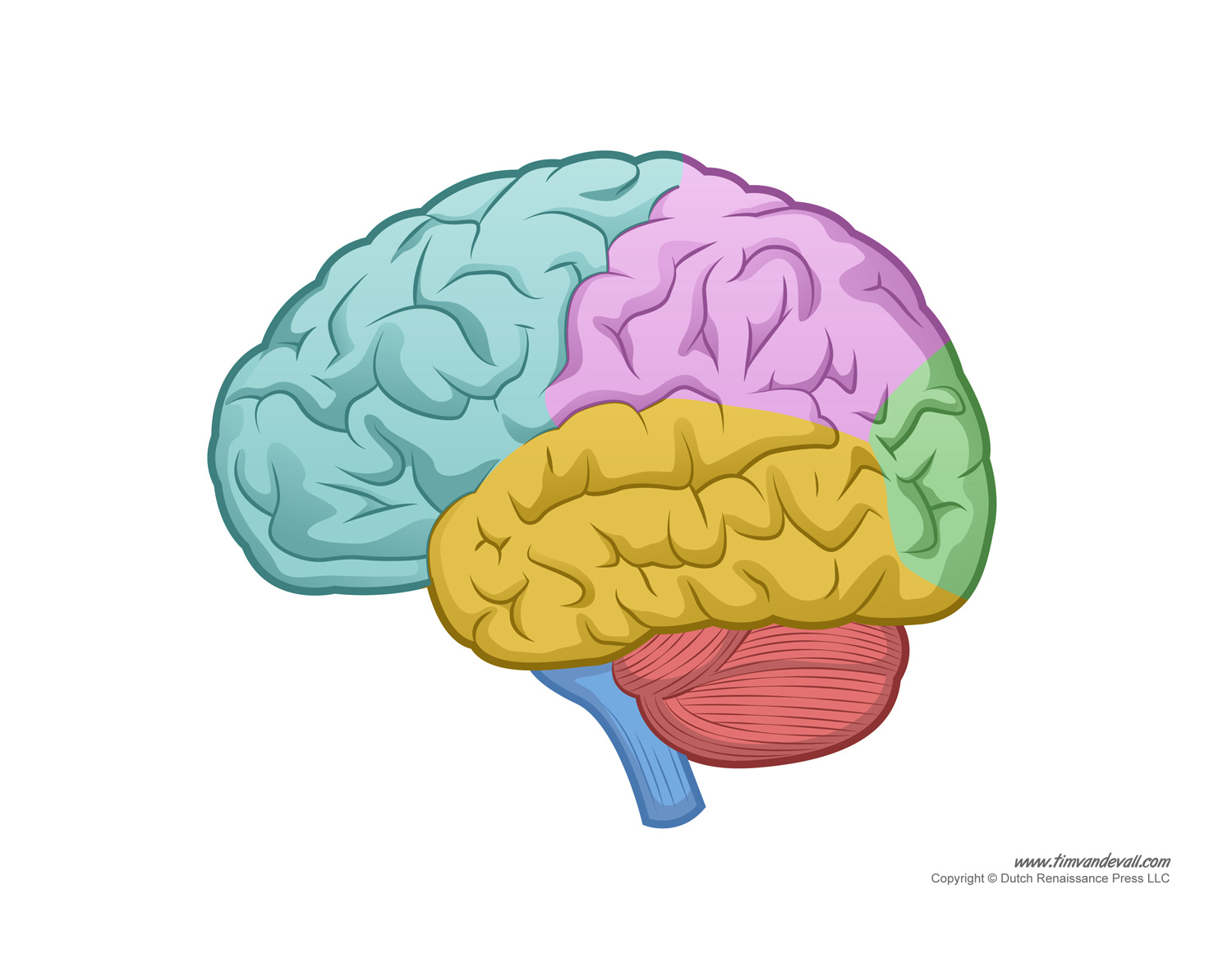
Light Blue- This area of the brain is called the frontal lobe. It controls the ability to do problem-solving, judgement, and motor function.
Purple- This area of the brain is called the parietal lobe. It controls sensation, handwriting, and body position.
Green- This area of the brain is called the occipital lobe. It controls the brain's visual processing system.
Yellow- This area of the brain is called the temporal lobe. It controls the ability to memorize and hear.
Red- This area of the brain is called the cerebellum. It is responsible for coordination and balance.
Dark Blue- This is called the brain stem. It controls breathing, sleep, and the heart.
There are also other parts of the brain. The cortex is the outer layer of brain cells. It controls thinking and voluntary movements. The basal ganglia are groups of structures in the brain. They arrange messages to send to other parts of the brain.
Photo Credit
Info Credit
Sperm Whales
Sperm Whales are mammals that live in the ocean. They grow to be from 49 feet to 70 feet long. Sperm whales weigh from 35 to 45 tons.They are Carnivores. They feed on squid. To hunt squid the sperm whales must dive to depths of up to 3,280 feet. On deep dives such as this the Sperm whale holds it's breath for as long as 90 minutes. They can swim at 23 miles per hour because of their big tale which is 16 feet wide from top to tip. Some scientists also believe that a Sperm Whale was the " Great Fish" that swallowed the prophet Jonah in the bible.
Photo Credit

Photo Credit

why do dogs chase their tail?
Why dogs chase there tail usually is because they could be bored or it also could be for attention. My dog chases her tail and usually when she does we start laughing, but the positive energy you give off when your laughing will encourage the dog to keep going, so they will keep getting attention from you.

Optical Illusion
This is an optical illusion of a dinosaur. No matter what angle it is viewed, except from behind, it looks like it is watching you. An optical illusion is something that deceives the eye; makes it look like your looking at something that doesn't exist.
Tuesday, February 23, 2016
Potassium Permanganate and Glycerin
Potassium Permanganate and Glycerin are two chemical compounds that are used for different stuff. Potassium Permanganate (an oxidant) is usually used for medicine for all kinds of stuff to koi pond treatment, while Glycerin is used for sanitary items such as tooth paste to shampoo and sugar related snacks. By themselves these two stuff seem pretty normal until they meet which leads into a combustion that can be used to make a great fire. The only downside to this combustion chemical reaction is that it only reacts at 70 degrees or higher. Here is a fresh video of it in action.
Tuesday, November 10, 2015
Catastrophic Tectonic Plate "Sprint" and Rates of Helium Diffusion Used to Date Rock Samples
Here is a video the 8th graders and 6th graders watched or will watch in class about the possibility that tectonic plates could have "sprinted" during the flood from a supercontinent to our separated continents. The video also discussed the problems with radioisotope dating vs. dating via measuring the diffusion of helium atoms in a rock sample.
Dr. Baumgardner is a Ph.D. in geophysics and he is also a Creationist. He developed a software program called Terra that models the interactions between the mantle and the crust of the Earth that secular scientists around the world use.
This video contains college-level concepts, but I thought it was fascinating!
Dr. Baumgardner is a Ph.D. in geophysics and he is also a Creationist. He developed a software program called Terra that models the interactions between the mantle and the crust of the Earth that secular scientists around the world use.
This video contains college-level concepts, but I thought it was fascinating!
Tuesday, November 3, 2015
Subscribe to:
Posts (Atom)